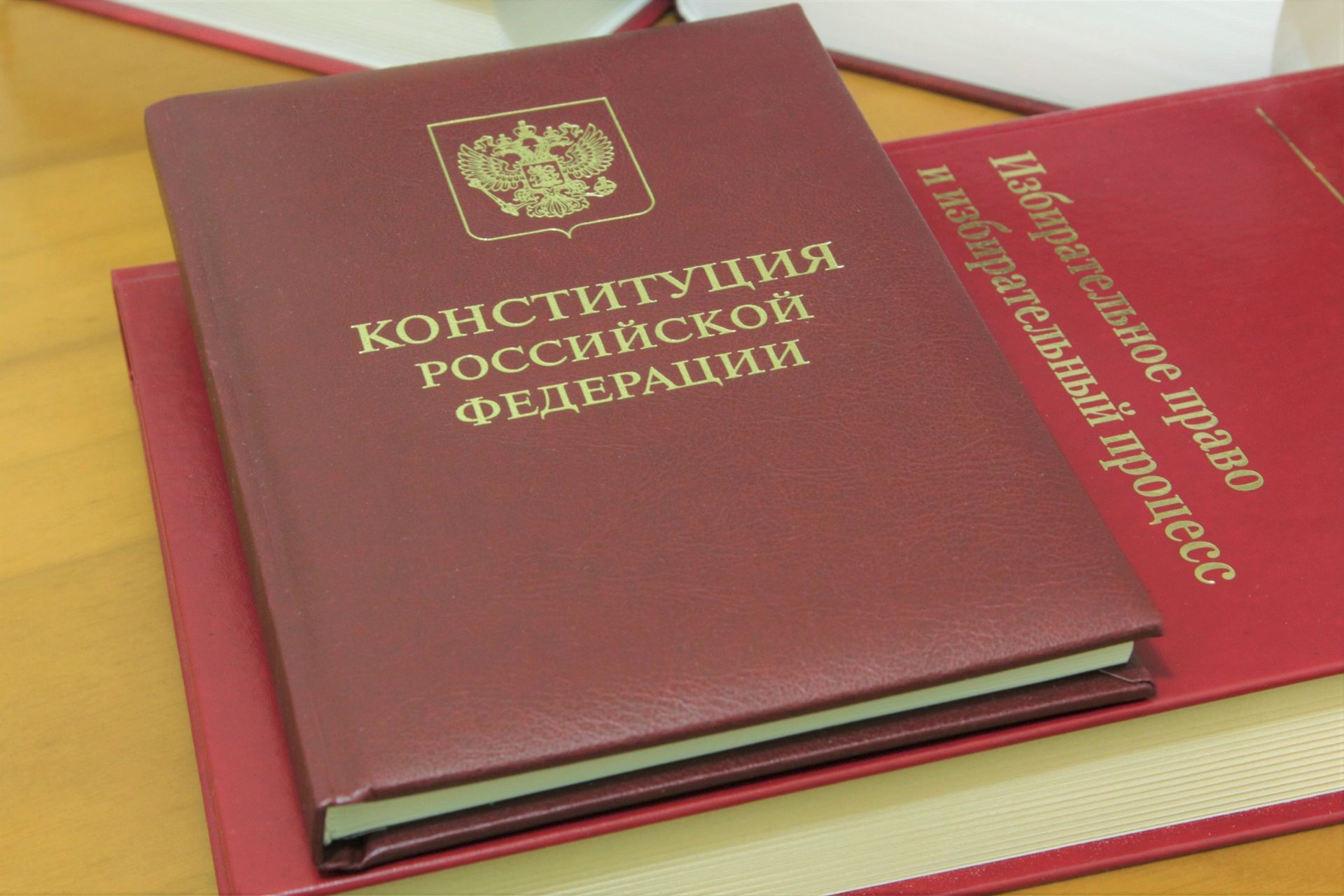
 On 25 December 2025 the Constitutional Court of the Russian Federation adopted Judgement No.50-П in accordance with Article 47.1 of the Federal Constitutional Law “On the Constitutional Court of the Russian Federation”. The case on the review of constitutionality of Article 26 (items 9 and 9.1) and Article 30 (item 4) of the Federal Law «On Basic Guarantees of Electoral Rights and the Right of Citizens of the Russian Federation to Participate in a Referendum» was considered in connection with the complaint of citizen E.A.Bobrov.
Factual background
In 2023, during the elections to the Council of Deputies of the Bogorodsky Municipal District of the Moscow Region, Yevgeny Bobrov, with his personal consent, was appointed an observer for a candidate for deputy to precinct election commission No. 3891. However, on the first day of voting – 8 September 2023, the applicant was denied access to the specified polling station. The territorial election commission pointed that E. Bobrov had previously been appointed as an observer in precinct election commission No. 1837 by a political party, and that the same person can be an observer only in one station.
The Noginsk City Court didn’t take into account the argument of applicant that neither he nor the candidate for deputy, who sent E. Bobrov as an observer were notified of this collision. The higher authorities also refused to satisfy the applicant's claims to recognize the inaction of the territorial election commission as illegal, referring to the fact that on 9 September, at 11 a.m., he was allowed to observe at polling station No. 3891.
Position of the Court
The bearer of sovereignty and the sole source of power in the Russian Federation as a democratic state governed by the rule of law is its multinational people. One of the forms of control over procedures related to voting, counting of votes and determination of voting results is the institution of observers.
Current regulation provides detailed procedures for appointing observers, including the preliminary submission of their lists to the relevant election commissions. This guarantees all parties the opportunity to effectively observe the voting process, the counting of votes, and the determination of election results, without which maintaining public trust in government authority is impossible.
Upon receiving the lists, the commission must verify all listed individuals for restrictions and ensure that a specific person is appointed as an observer to only one commission. Although these actions are not expressly provided for by law, they directly follow from the obligation implying the commission’s responsible approach to exercising its powers. This is also guided by the Clarifications prepared by the Central Election Commission of the Russian Federation.
Although the said Clarifications obligated the election commission to check the lists of observers and make necessary amendments to them, they did not specify its actions in the situation of appointing the same person as an observer to different precinct election commissions. In such a case, the territorial election commission found itself in a difficult position, as the legislation contained no specific instructions on this matter, which did not preclude arbitrary resolution of the issue, both by the commission and by the courts.
The absence in legal acts of provisions defining the procedure for actions in such cases indicates the existence of a constitutional gap and requires adequate responsive measures. This gap gives rise to contradictory interpretations regarding the possibility of admitting observers to specific precinct election commission, which could cast serious doubt on the voting results. The challenged provision does not conform to the Constitution, as it allows for ambiguous interpretation and contradictory application.
The legislator should eliminate the identified gap and the legal uncertainty it causes. Until the relevant amendments are made, a citizen must provide written confirmation of their consent to be an observer, and the entity authorized to make such an appointment must keep it on record. If a fact is discovered that the same observer has been appointed to different election commissions, the territorial election commission is obliged to request the appointing entity to make clarifications and direct them to a specific commission. Upon discovering that different entities have appointed the same person as an observer to different commissions, the territorial election commission must inquire with them about the existence of the observer's written consent and, based on that consent, direct information about the observer to a specific precinct election commission. If several entities confirm the existence of written consent from one person to be an observer in different precinct election commissions, such a person is denied the right to observe, which does not preclude holding persons guilty of obstructing a specific citizen from exercising the powers of an observer accountable.
Proceedings in the case concerning the review of the constitutionality of Article 26 (items 9 and 9.1) of the challenged law have been terminated, as these norms were not applied in the applicant's case. E. Bobrov is entitled to compensation.
Press Service of the Constitutional Court of the Russian Federation